Real-World Results: Pramac SX 10/15 Battery Bank Delivers 97% Fuel & Engine Hour Reduction on Tower Crane Aviation Light
When discussing battery energy storage systems (BESS), the conversation often focuses on theory, sustainability targets, or future ambitions. However, the true value of a modern battery bank is best demonstrated through real site performance.
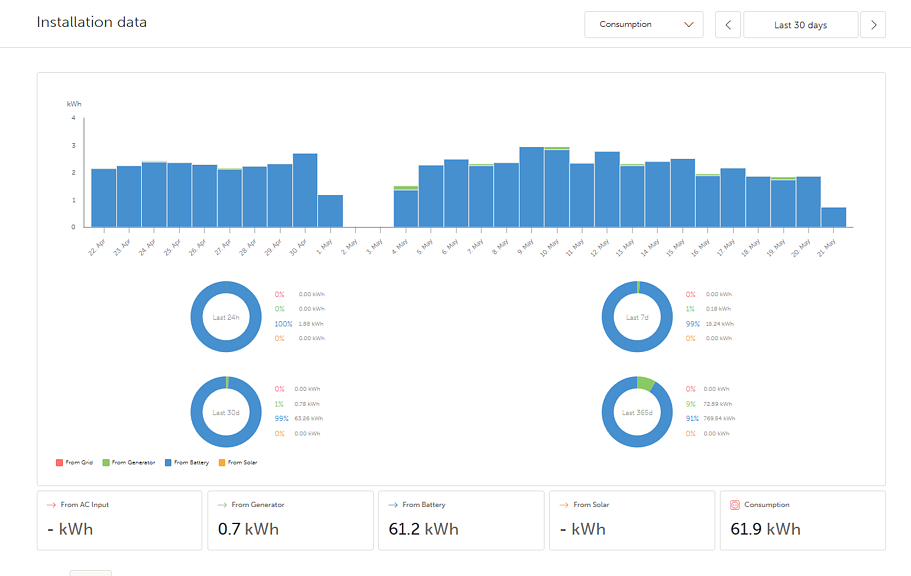
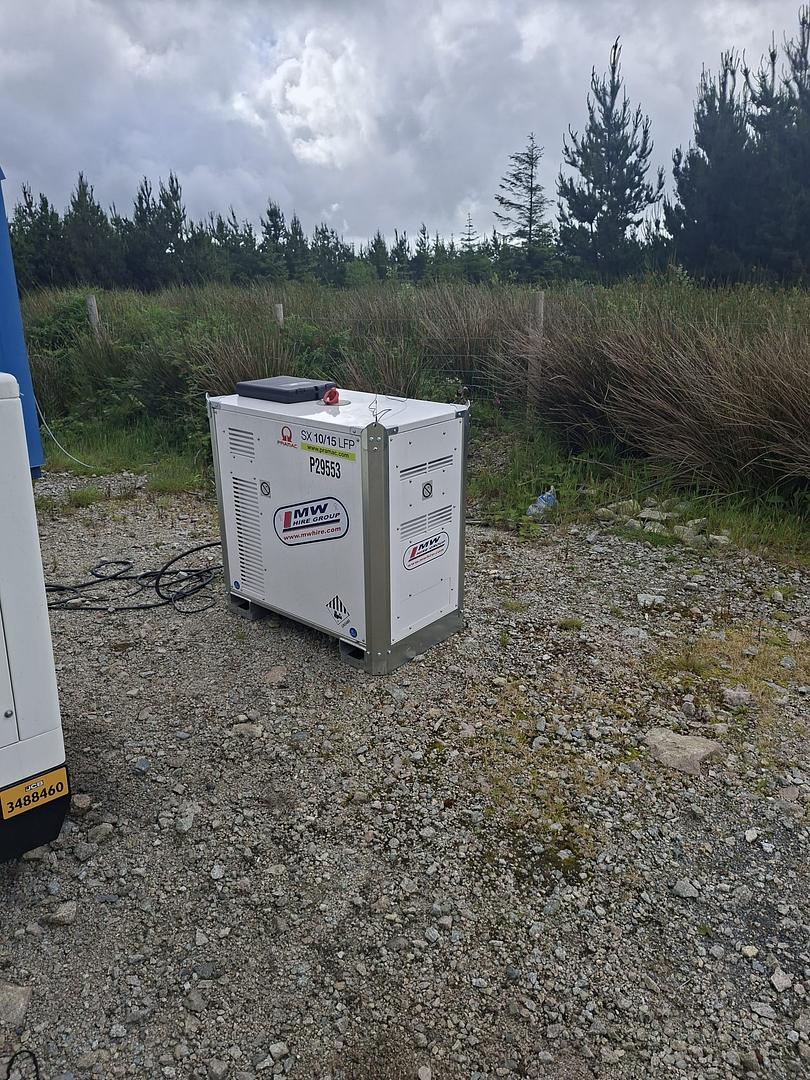
A recent deployment of a Pramac SX LFP 10/15 Battery Energy Storage System powering an aviation warning light on a tower crane has produced impressive results, highlighting why more contractors are turning to battery storage and hybrid power solutions as an alternative to running conventional generators continuously.
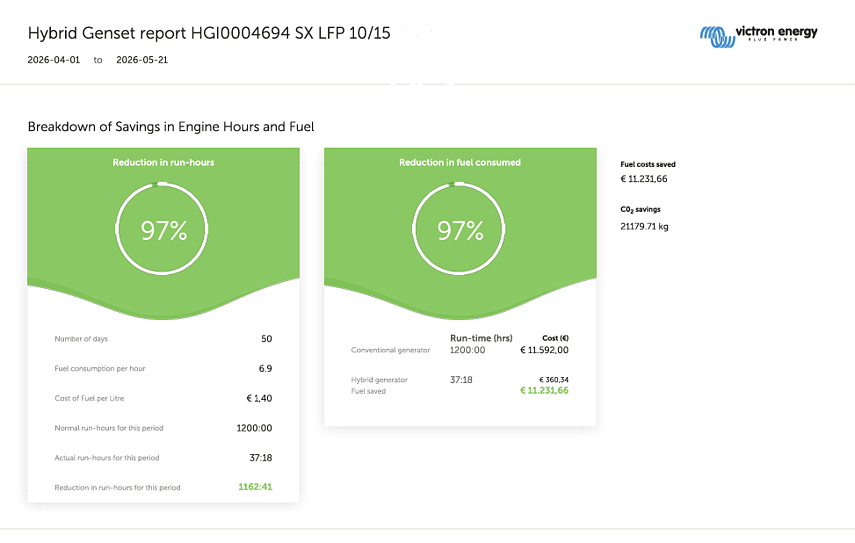
Over a 50-day monitoring period, the system achieved:
✅ 97% reduction in generator run hours
✅ 97% reduction in fuel consumption
✅ €11,231.66 saved in fuel costs
✅ 21,179.71 kg reduction in CO₂ emissions
The Challenge
Many tower cranes require aviation obstruction lighting to operate continuously, particularly on larger construction projects. Traditionally, these low-load applications are powered by diesel generators running around the clock.
The problem is that generators are often operating far below their optimal load, leading to:
- High fuel consumption
- Excessive engine wear
- Increased maintenance requirements
- Greater emissions output
- Higher overall running costs
For applications that only require small but continuous amounts of power, using a generator alone can be both costly and inefficient.
The Solution: Pramac SX 10/15 Battery Storage
The Pramac SX 10/15 Battery Bank was installed as part of a hybrid power setup. Instead of running a diesel generator continuously, the battery storage system supplied the aviation light for the majority of the operating period, with the generator only running when required to recharge the battery.
The results speak for themselves.
A conventional generator operating throughout the period would have accumulated approximately 1,200 run hours. By integrating the battery storage system, actual generator runtime was reduced to just 37 hours and 18 minutes.
This represents a saving of 1,162 hours and 41 minutes of engine operation.
Significant Fuel Savings
The report calculated fuel consumption based on:
- 6.9 litres per hour
- Fuel cost of €1.40 per litre
Under conventional operation, fuel costs would have reached approximately €11,592.
With the hybrid battery storage solution in place, total fuel costs were reduced to just €360.34, creating a saving of €11,231.66 in only 50 days.
For site managers, contractors, and plant hirers, these figures demonstrate how battery energy storage can dramatically reduce operating costs while maintaining reliable site power.
Reduced Environmental Impact
Sustainability is becoming an increasingly important consideration across the construction industry. Clients are demanding cleaner sites, while contractors are looking for practical ways to reduce emissions without compromising productivity.
The deployment achieved a reduction of more than 21 tonnes of CO₂ emissions, demonstrating how battery banks can play a significant role in lowering the carbon footprint of temporary power requirements.
Why Battery Banks Are Becoming Essential on Construction Sites
Applications such as tower crane lighting, welfare units, CCTV towers, security systems, traffic management equipment, and temporary site offices frequently have relatively low power demands but operate for extended periods.
These are ideal scenarios for battery energy storage systems.
By pairing a battery bank with a generator, users can:
- Reduce fuel costs dramatically
- Minimise generator servicing requirements
- Extend equipment lifespan
- Lower site emissions
- Reduce noise pollution
- Improve overall efficiency
In many cases, a hybrid battery solution can deliver greater savings than simply choosing a cheaper generator, because the biggest cost over time is often fuel consumption rather than the initial equipment investment.
Real Savings, Proven Results
The performance of this Pramac SX 10/15 installation demonstrates the growing role of battery energy storage systems in modern construction and industrial applications.
A 97% reduction in fuel consumption and generator runtime is not simply an environmental achievement. It is a practical business case showing how battery banks can significantly lower site operating costs while improving sustainability performance.
As construction projects continue to seek smarter, cleaner, and more cost-effective temporary power solutions, battery storage technology is rapidly becoming one of the most effective alternatives to traditional generator-only setups.
The data from this tower crane aviation light application provides clear evidence that the future of site power is not just about generators. It is about creating intelligent hybrid systems that deliver maximum efficiency, lower costs, and measurable environmental benefits.