Pramac 10/15 Battery Bank: Smarter Site Power, Lower Costs, and More Reliable Operations
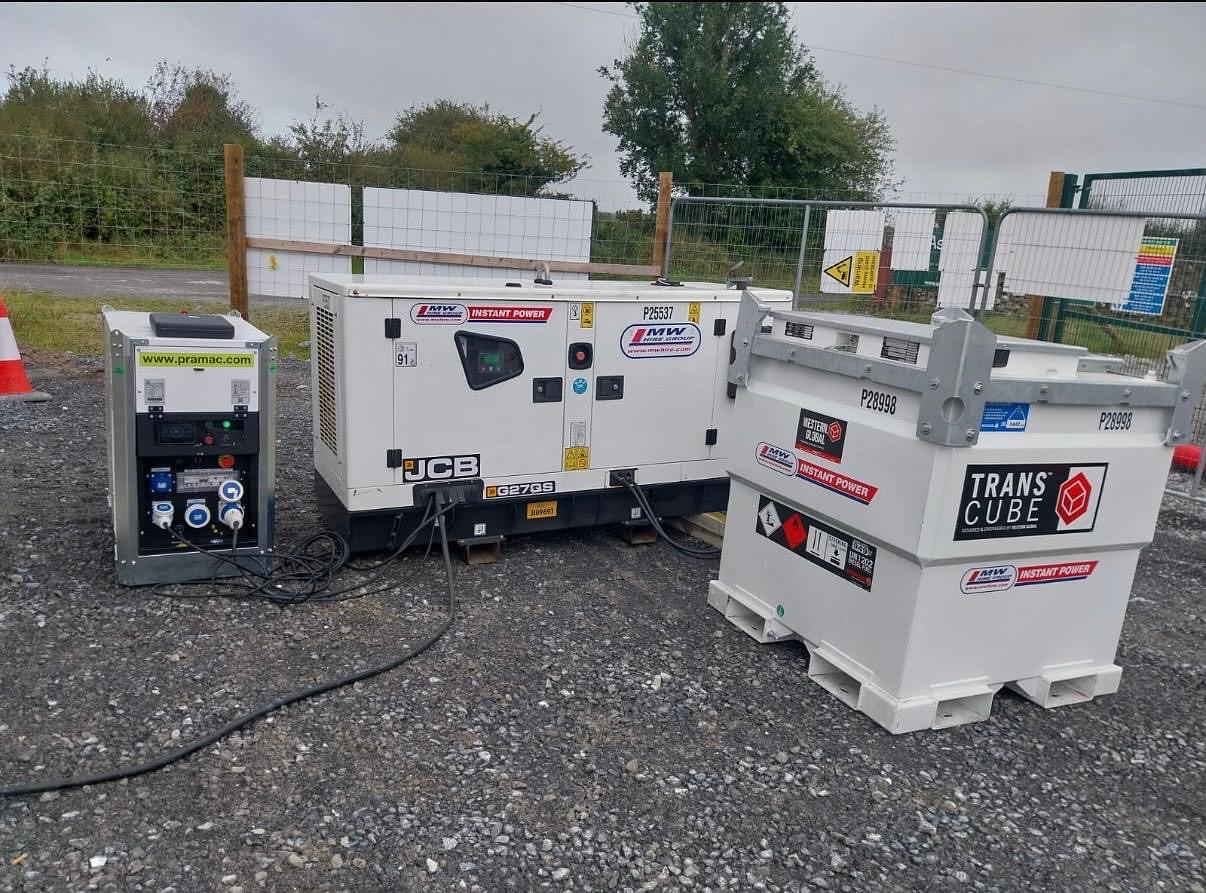
Pramac 10/15 Battery Bank: Smarter Site Power, Lower Costs, and More Reliable Operations
Construction sites, events, industrial shutdowns, and temporary facilities are under growing pressure to reduce fuel consumption, noise, and emissions—without compromising uptime. A battery energy storage system (BESS) such as the Pramac 10/15 battery bank is designed to solve that challenge by delivering clean, stable power where and when you need it, and by working alongside generators or the grid to cut operating costs.
This article explains what a Pramac 10/15 battery bank is typically used for, the practical benefits on site, and how it can generate measurable cost savings through reduced generator runtime, peak shaving, and improved power quality.
What Is a Pramac 10/15 Battery Bank?
The Pramac 10/15 battery bank is generally referenced as a compact, site-ready battery storage unit in the 10 kW / 15 kWh class (naming and exact specifications may vary by configuration and market). In practical terms, that means it can deliver up to around 10 kW of power output and store roughly 15 kWh of usable energy—enough to support many common site loads such as lighting towers, small cabins, tools, pumps, communication equipment, and overnight baseloads.
Most modern mobile battery banks used for temporary power include:
- Integrated inverter and controls to provide stable AC power for sensitive loads
- Multiple output options (depending on model) for flexibility on site distribution
- Charging from a generator or the grid (and, in hybrid systems, potentially from renewables)
- Smart energy management to optimize when the generator runs and when the battery supplies the load
The result is a portable energy storage solution that can act as a primary source for light-to-moderate loads, or as a hybrid “buffer” that makes a generator far more efficient.
Why Battery Banks Are Becoming Standard for Site Power
Traditional temporary power often relies on running a diesel generator continuously—even when loads are low. That approach is simple, but inefficient. Generators burn fuel at idle, require frequent servicing, generate noise, and can suffer from issues such as wet stacking and carbon build-up when operated for long periods at low load.
A Pramac 10/15 battery bank changes the operating model:
- During low demand, the battery supplies the site quietly and efficiently.
- When demand increases or the battery needs recharging, the generator runs for a shorter, more efficient cycle.
- With grid-connected sites, the battery can reduce demand peaks and protect operations from short interruptions.
Key On-Site Benefits of the Pramac 10/15 Battery Bank
1) Significant Fuel Savings Through Reduced Generator Runtime
The biggest financial driver is typically fuel reduction. Instead of burning diesel 24/7, a hybrid setup uses the battery for overnight baseload and low-demand periods, then runs the generator only when necessary to recharge or meet peak demand.
This strategy can be especially valuable on sites where loads are intermittent (tools, compressors cycling, welfare cabins at night) or where a generator is routinely oversized “just in case.” With a battery bank handling variability and peaks, you can often run a smaller generator more efficiently.
2) Lower Maintenance and Longer Generator Life
Fewer generator operating hours generally means:
- Longer intervals between service visits (oil, filters, consumables)
- Reduced wear on engine components
- Improved reliability by avoiding prolonged low-load operation
For fleet operators and contractors, this can translate into less downtime, fewer callouts, and better asset utilization.
3) Quieter Operation and Better Community Compliance
Noise restrictions are increasingly common—especially near residential areas, hospitals, city centers, and nighttime roadworks. A battery bank can supply power silently (or close to it) for extended periods, making it easier to meet local regulations and minimize complaints.
For events and public-facing sites, quieter power is also a brand and experience advantage.
4) Cleaner Energy Profile and Easier ESG Reporting
Reducing generator hours directly reduces CO₂ and local emissions. If your organization tracks sustainability metrics, adding battery storage to temporary power is a practical way to show progress—particularly when paired with renewable charging or grid power from lower-carbon sources.
5) Improved Power Quality for Sensitive Equipment
Battery-based inverters can deliver stable voltage and frequency, which can help protect electronics and reduce nuisance trips. This is useful for telecom gear, site offices, IT equipment, and modern control systems that dislike fluctuations from generator-driven power.
Cost Savings: Where the Numbers Come From
Actual savings depend on site load profile, fuel price, generator size, and operating schedule. However, the economics typically come from four areas: fuel, maintenance, logistics, and avoidance of inefficiency.
Fuel Savings Example (Illustrative Scenario)
Consider a site that runs a diesel generator overnight to supply an average 3–5 kW baseload for lighting, security, and cabins. A larger generator might consume roughly 2–4 liters per hour at low load (varies widely by model and conditions). If diesel costs $1.30–$1.80 per liter, that’s approximately:
- Fuel cost per hour: $2.60 to $7.20
- Over a 10-hour night shift: $26 to $72
- Over 22 working days: $572 to $1,584 per month
If a Pramac 10/15 battery bank supplies most of that overnight demand and the generator runs only briefly to recharge (or charges from the grid at off-peak rates), the reduction in runtime can produce meaningful monthly savings—often enough to justify the battery bank rental or financing cost in the right applications.
Important note: These figures are illustrative. For accurate ROI, measure your load (kW) and runtime, then compare generator fuel burn at the actual operating load against battery charging costs.
Maintenance and Servicing Savings
Reducing generator hours reduces service frequency and unplanned maintenance risk. Over a project’s duration, the avoided cost of callouts, consumables, and downtime can be substantial—particularly on remote sites where servicing logistics are expensive.
Peak Shaving and Demand Charge Reduction (Grid-Connected Sites)
Where grid power is available, the Pramac 10/15 battery bank can help reduce peak demand—for example, when multiple high-starting-current tools or equipment run simultaneously. By shaving peaks, businesses may reduce demand charges and avoid penalties, while also minimizing the need for costly electrical upgrades.
Operational Efficiency and Fewer Disruptions
Battery banks can smooth power delivery and provide short-term backup. Even brief interruptions can be costly if they stop critical processes, trigger resets, or disrupt site security systems. A BESS can act as a buffer that helps maintain continuity.
Best-Fit Applications for a Pramac 10/15 Battery Bank
The 10/15 class is typically well-suited to:
- Construction and civil works (overnight loads, intermittent tools, welfare units)
- Roadworks and utility projects with strict noise limits
- Telecom and temporary communications requiring clean, stable power
- Events and broadcasting where noise and fumes are unacceptable
- Industrial maintenance shutdowns needing flexible, reliable temporary power
For heavier continuous loads, the same principles apply, but you may need a larger battery system or multiple units in parallel.
How to Size and Deploy for Maximum ROI
To get the best financial and operational outcome, focus on the load profile rather than only the maximum load:
- Measure average and peak demand (kW), plus daily runtime patterns.
- Identify low-load periods where a generator is least efficient (often nights and weekends).
- Choose the right operating mode: battery-first, hybrid with generator support, or grid-optimized peak shaving.
- Confirm charging strategy: generator charging, grid charging (including off-peak), or renewable integration.
A brief site energy audit—often achievable with a temporary power logger—can quickly reveal whether the Pramac 10/15 battery bank will deliver rapid savings.
Practical Next Steps
If you are considering a Pramac 10/15 battery bank for your site, start by mapping your current generator hours, fuel spend, noise constraints, and downtime risk. From there, compare:
- Current generator-only cost per week/month (fuel + service + callouts)
- Hybrid cost (battery bank rental/ownership + reduced fuel/service)
- Non-financial benefits (noise compliance, emissions reduction, improved reliability)
With the right setup, a Pramac 10/15 battery bank can become a high-impact upgrade—cutting operating costs while delivering cleaner, quieter, more dependable site power.